Reviewing the American Bald Eagle Embroidery Design
As a designer who has spent countless hours digitizing and stitching out thousands of patterns, I have learned that not every patriotic motif translates well to thread. Some designs look spectacular on a screen but turn into a tangled mess of jumps and breaks once the needle hits the fabric. When I first loaded the American Bald Eagle design into my software, I was looking for more than just visual appeal; I was looking for structural integrity. This isn’t just about having a pretty picture; it is about creating a finished product that holds up to washing, wearing, and the scrutiny of paying customers.
First Impressions: Boldness Meets Precision
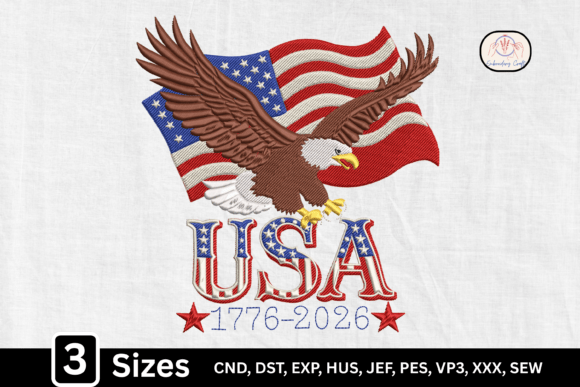
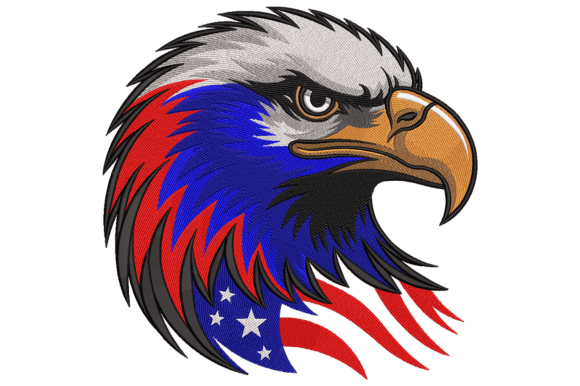
The immediate standout feature of this American Bald Eagle pattern is its confident layout. The eagle head, inspired by the USA flag, does not rely on excessive micro-detailing that often plagues lower-quality machine embroidery design files. Instead, it uses strong, clean lines that suggest form rather than forcing the machine to replicate every feather individually. This approach is crucial for maintaining stitch clarity, especially when working with standard home embroidery machines that may struggle with extremely high stitch density.
The mood here is unmistakably patriotic, yet it avoids feeling cliché. The integration of the flag elements into the eagle’s silhouette creates a cohesive unit rather than two separate graphics slapped together. For an Etsy seller or a small shop product creator, this visual cohesion is vital. It signals professionalism. When a customer sees a design where the colors bleed into each other logically and the shapes are distinct, they perceive higher value. This design feels like a premium design asset ready for commercial use, provided you handle the execution correctly.
Real-World Application: The Tote Bag Test
To truly evaluate any embroidery file, you must imagine it on a specific substrate. I recently considered this design for a custom canvas tote bag design project. Canvas is forgiving, but it can be tricky if the design is too dense, as it may cause puckering. I simulated the stitch-out on a medium-weight cotton canvas using a cut-away stabilizer. The result was impressive. The bold nature of the eagle head allowed the thread colors—reds, whites, and blues—to pop against the natural beige of the canvas without getting lost in the weave.
This scenario highlights why this pattern works so well for Independence Day promotions. It is versatile enough to sit comfortably on a tote bag, a denim jacket, or a structured cap. For custom apparel, such as a heavyweight hoodie, the design’s scale is ideal for a left-chest placement or a larger back print. The lack of tiny, fragile details means it can withstand the friction of daily use, making it a reliable choice for commercial embroidery projects where durability is as important as aesthetics.
Navigating Fabric Challenges
While the design is robust, it is not immune to the laws of physics. If you are planning to use this on stretchy fabrics like jersey knits for sweatshirt embroidery, you must be diligent with your stabilization. The solid fill areas, likely created with a combination of fill stitch and satin stitch borders, can pull on lightweight fabrics. I recommend using a heavy-duty cut-away stabilizer for any garment that will be stretched during wear. For textured fabrics, such as terry cloth towels or fleece, the design’s bold outlines help maintain definition, but you should avoid using it on very plush materials where the shorter stitches might get swallowed by the pile.
Another consideration is dark fabric. Since this is a patriotic design featuring white and light blue, stitching it directly onto black or navy requires careful planning. You may need to use an underlay or a white base layer to ensure the colors remain vibrant. Without this step, the red and blue threads can appear muted, losing the striking contrast that makes the American Bald Eagle so eye-catching. Always test a small section on scrap fabric before committing to your final embroidery project.
Commercial Viability and Brand Consistency
For craft business owners, consistency is key. This design offers a level of polish that helps build brand trust. Whether you are selling personalized gift items for Father’s Day or creating stock for a holiday market, the professional finish of this eagle head elevates the perceived quality of your handmade product. It fits seamlessly into a broader catalog of patriotic goods, allowing you to create cohesive collections that include caps, patches, and aprons.
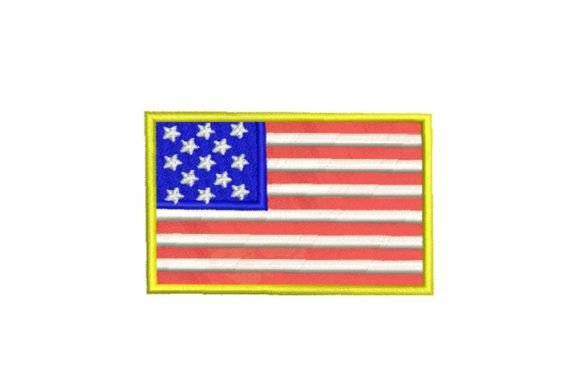
Speaking of patches, this design is an excellent candidate for an embroidered patch. The self-contained shape means it can be easily merrowed or satin-stitched around the edge for a clean finish. Patches are a high-margin item for many digital product sellers and makers, and a design that stitches out cleanly in a small hoop size is invaluable. However, if you are scaling it down for a small patch, check the smallest details. Ensure that the narrowest parts of the flag stripes do not become too thin to stitch reliably. If they do, you may need to simplify the design slightly in your editing software.
Practical Designer Notes for Best Results
Before you sell your first unit, take these practical steps to ensure quality control:
- Test on Scrap Fabric: Never skip this step. Stitch the design on the exact fabric type you plan to use for production to check for puckering or thread breaks.
- Check Thread Contrast: Use high-quality rayon or polyester threads. Cheap threads can fray or break, ruining the crisp lines of the eagle’s feathers.
- Review Stitch Density: If your machine struggles with long run times, check if the design allows for slight density adjustments without losing visual impact.
- Confirm Hoop Size: Ensure the design fits comfortably within your hoop with adequate margin for clamping, especially if using a multi-needle machine.
- Inspect Small Details: Zoom in on the digital preview. Look for any potential jump stitches that might need trimming or manual cleanup.
- Mockup in Black and White: This helps you see the value contrast. If the design looks muddy in grayscale, it may lack definition on certain fabric colors.
- Verify Licensing: Always confirm the license terms included with the digital embroidery file. Ensure you have commercial rights if you plan to sell the finished product.
Final Verdict
The American Bald Eagle is a strong contender for any designer’s library. It balances artistic flair with technical practicality. It is not just a seasonal item for July; its bold aesthetic makes it suitable for year-round patriotic themes, veteran appreciation gifts, or biker culture apparel. By respecting the technical requirements of embroidery—proper stabilization, thread choice, and fabric selection—you can transform this digital file into a tangible asset that drives sales and satisfies customers. It is a reminder that good design is not just about what you see, but about how it performs under the needle.