Review: Cozy Bookshelf Hand Embroidery Pattern
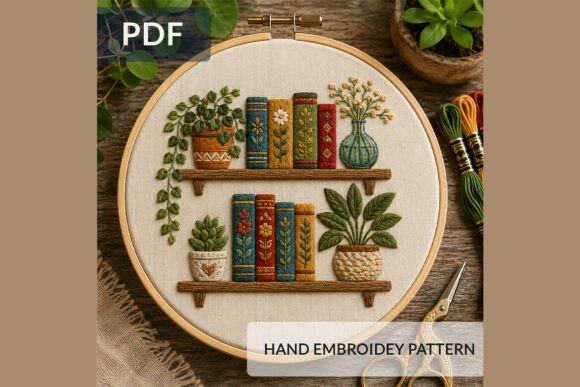
As an embroidery designer who has spent countless weekends behind a craft fair table, I have learned that not every pretty design translates into a best-selling craft fair product. When I first opened the Cozy Bookshelf Hand Embroidery Pattern, my immediate reaction was one of relief. In a market saturated with generic florals and overly complex mandalas, this design offers something distinct: a narrative. It is not just a picture; it is a vibe. The combination of books and houseplants taps directly into the "cozy core" aesthetic that dominates social media and modern home decor trends. For those of us creating Hand Embroidery Patterns or finished goods, this visual language is gold.
First Impressions and Aesthetic Appeal
The Cozy Bookshelf Hand Embroidery Pattern strikes a perfect balance between rustic charm and modern minimalism. It does not scream for attention with neon brightness; instead, it invites the viewer in. The imagery of stacked books intertwined with trailing pothos or snake plants suggests warmth, intellect, and domestic peace. This is crucial for booth display strength. When a potential customer walks past your table, they are scanning for emotional connection. This design signals "home" and "comfort" instantly. It feels decorative yet grounded, making it suitable for a wide demographic, from college students to retired teachers. As a piece of Graphics intended for textile application, it possesses the clean lines necessary for clarity without sacrificing the hand-drawn warmth that buyers crave in handmade items.
Versatility Across Product Lines
The true test of any embroidery file or pattern is its adaptability. I evaluated how this design would perform across various substrates commonly sold by Etsy seller communities and boutique makers.
- Tote Bags and Market Bags: This is arguably the strongest application. A canvas tote featuring the bookshelf motif becomes an instant statement piece. The horizontal nature of a bookshelf layout fits perfectly on the broad surface of a bag, acting as a central focal point rather than a small, lost accent.
- Aprons and Tea Towels: For kitchen textiles, the design adds a touch of whimsy. However, placement is key. On an apron, positioning the books near the pocket area creates a functional and visual harmony. For tea towel embroidery, ensure the scale is reduced appropriately so it does not overwhelm the fabric's edge.
- Pillow Covers: A square hoop works beautifully here. The symmetry of a bookshelf can anchor a throw pillow, making it a high-value finished product for home decor shoppers.
- Embroidered Patches: If you are selling accessories, this design translates well to iron-on or sew-on patches. It allows customers to add the "cozy" aesthetic to denim jackets or backpacks without committing to a large garment embroidery.
Production Practicality and Batch Selling
For small shop owners, time is money. A design that takes ten hours to stitch is rarely profitable unless priced at a luxury premium. The Cozy Bookshelf Hand Embroidery Pattern appears to rely on foundational stitches—likely satin stitches for the book spines and running or backstitches for the plant leaves. This suggests manageable stitch density. Lower density means faster production times and less puckering, which is vital when producing batch quantities for a weekend market.
Furthermore, the design’s structure allows for creative thread color variations. You can create a "series" from one pattern: a dark academia version with browns and greens, a bright pop version with colorful book spines, or a monochrome version for a minimalist look. This versatility helps maintain brand consistency while offering variety, a key strategy for increasing buyer engagement at your booth.
Technical Considerations and Careful Use
While the design is strong, there are technical pitfalls to avoid. Before launching this as a commercial embroidery product, consider the following:
- Fabric Texture: Highly textured fabrics, such as thick waffle-weave towels, can obscure fine details. If the plant leaves are thin, they may get lost in the weave. Always test on your specific fabric stock.
- Curved Surfaces: Embroidering this on a cap requires careful digitizing or hooping. The horizontal lines of the books may distort on the curved front panel of a baseball cap. A patch applied to the cap might be a safer, more professional alternative.
- Contrast and Visibility: On dark fabrics, ensure your thread colors have enough contrast. Dark green leaves on a navy bag will vanish. Use lighter greens or outline stitches to define the shapes against dark backgrounds.
- Scale and Clarity: If shrinking the design for a small pouch or handkerchief, verify that the individual book titles or small plant details do not merge into a blob. Simplicity is your friend at smaller sizes.
Designer Notes for Best Results
To maximize the potential of the Cozy Bookshelf Hand Embroidery Pattern, I recommend a rigorous testing phase. Do not assume the digital preview matches the physical reality. Stitch out the design on scrap fabric identical to your final product. Check the tension and ensure the stabilizer you are using provides enough support without being overly stiff, which can ruin the drape of a tote bag or apron.
Create at least one high-quality printable mockup or photograph a real sample in natural light. Online listings rely heavily on visual appeal. Show the embroidery in context—a bookshelf design looks best photographed next to actual books or a cup of coffee. This lifestyle staging helps the customer visualize the item in their own home, significantly boosting conversion rates for your small shop product listings.
Finally, always confirm the licensing terms. Whether you are buying this as a digital embroidery file for machine use or a PDF for hand stitching, ensure you have the rights to sell the finished product. Many designers offer commercial licenses separately. Respecting these terms protects your business and supports the creative community.
Final Verdict
The Cozy Bookshelf Hand Embroidery Pattern is a standout choice for makers looking to expand their inventory with meaningful, trend-aware designs. It moves beyond simple decoration to evoke a feeling, which is the ultimate driver of sales in the handmade market. By paying attention to fabric choice, stitch density, and strategic product placement, you can turn this single design into a cornerstone of your craft fair booth. It is practical, aesthetically pleasing, and commercially viable—a rare trifecta in the world of design assets.