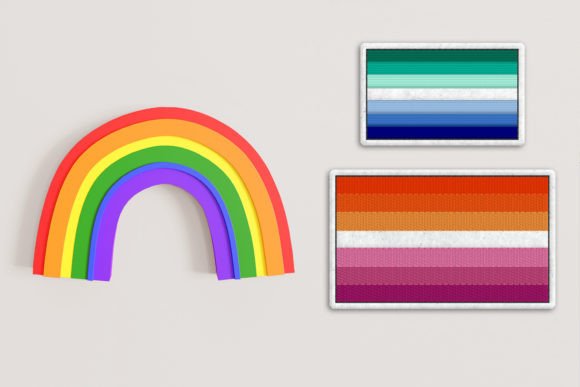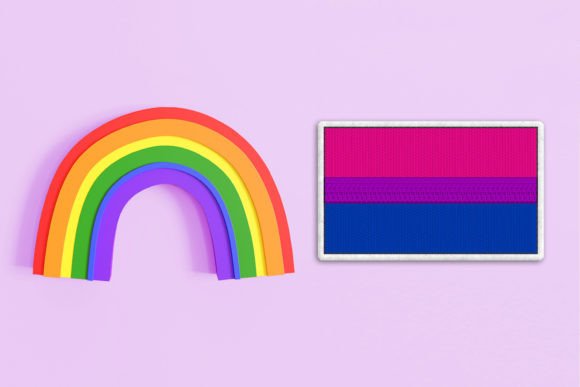
Rainbow LGBT Gay Pride Flag ITH Feltie Review
As a designer who spends more time staring at stitch maps than actual fabric, I have learned that the difference between a charming handmade item and a professional-grade product often comes down to the suitability of the machine embroidery design. When I first pulled up the Rainbow LGBT Gay Pride Flag ITH Feltie, my immediate reaction was one of appreciation for its simplicity. In the world of Embroidery, especially within the Awareness category, there is a temptation to over-complicate symbols with excessive detail. However, this design respects the iconic nature of the six-stripe flag, keeping the lines clean and the visual impact high.
First Impressions and Visual Personality
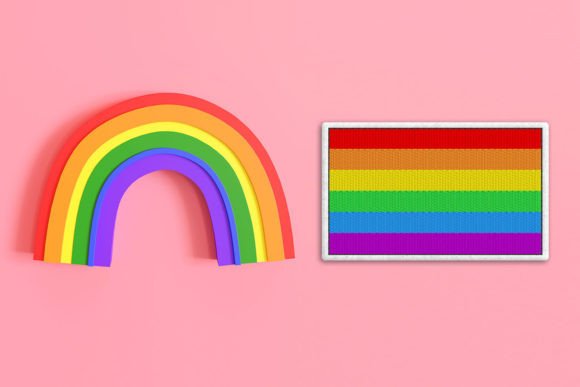
The mood this design creates is one of bold, unapologetic celebration. Because it is an In-The-Hoop (ITH) feltie, the construction method inherently adds a layer of tactile quality that flat embroidery lacks. The layout is straightforward: six horizontal stripes contained within a defined shape. This geometric clarity is crucial. When you are working with small-scale items, complex gradients or tiny details can get lost in the stitch density or become muddy after washing.
What stands out is the potential for color play. Since the design relies on distinct blocks of color, it allows the thread colors to do the heavy lifting. It feels modern and crisp, suitable not just for traditional pride month merchandise, but for year-round handmade product lines that support inclusivity. The visual personality is friendly yet serious, making it a versatile asset for any creative entrepreneur looking to add meaningful symbolism to their catalog.
Real-World Application: The Tote Bag Scenario
To truly evaluate an embroidery file, I like to imagine it in a specific commercial context. Let’s say I am preparing a run of custom canvas tote bags for a local community center’s fundraiser. These bags need to be durable, visually striking from a distance, and quick to produce. The Rainbow LGBT Gay Pride Flag ITH Feltie fits this brief perfectly.
By stitching the feltie separately and then attaching it to the tote, I avoid the hassle of hooping thick canvas directly, which can lead to registration errors. The felt backing provides a stable foundation for the satin stitch borders, ensuring the edges remain crisp even after the bag is stuffed with books or groceries. Customers reacting to this would likely appreciate the raised texture of the applique; it signals effort and quality, distinguishing it from mass-printed alternatives. This transforms a simple bag into a personalized gift or a statement piece that carries emotional weight.
Versatility Across Product Lines
Beyond tote bags, this design shines in several other areas. For sweatshirt embroidery, placing this feltie on the chest or sleeve adds a pop of color without the heaviness of a full-density fill stitch patch. It works exceptionally well for baby embroidery projects, such as bibs or onesies, provided the felt edges are securely tacked down to prevent choking hazards. The softness of the felt against sensitive skin is a significant selling point for parents.
For Etsy seller accounts, this design offers excellent versatility. It can be marketed as part of a holiday embroidery collection for Pride Month, or as a standalone embroidered patch that customers can iron or sew onto their existing jackets and jeans. The compact nature of the ITH format means it consumes less thread and stabilizer than larger designs, improving profit margins for small shop product lines.
Technical Considerations and Fabric Choices
While the design is robust, it is not without its technical constraints. The product description notes that the file is meant for felt, vinyl, or other non-fraying fabric. This is a critical detail. If you attempt to use this as a standard applique on woven cotton without a proper backing, the raw edges of the fabric underneath may fray over time, ruining the clean look of the rainbow stripes.
Fabric texture plays a major role here. On smooth felt or vinyl, the running stitch and satin borders will lay flat and sharp. However, on textured fabrics like terry cloth or heavy wool, the small details might sink into the pile. In such cases, I recommend using a cut-away stabilizer to provide extra support and prevent the design from puckering.
Where to Use Caution
- Small Hoop Sizes: Ensure your machine’s hoop can accommodate the entire ITH process. If the design is too large for your hoop, you cannot complete the in-the-hoop assembly in one go.
- Stretchy Fabric: Applying this to stretchy knits requires careful stabilization. The rigid nature of the feltie can cause distortion if the garment stretches significantly during wear.
- Dark Fabric: While the rainbow colors are vibrant, ensure your background fabric contrasts well. A black tote bag makes the colors pop, but a dark navy might mute the red and orange stripes if the lighting is poor.
- Frequent Washing: Items like kitchen towel or baby clothes undergo rigorous washing. Test the adhesion of the feltie edges. You may need to add a few extra tacking stitches around the perimeter for durability.
Enhancing Brand Value and Customer Trust
From a business perspective, the Rainbow LGBT Gay Pride Flag ITH Feltie is more than just a decorative element; it is a tool for brand consistency. For boutiques and craft business owners, offering high-quality, thoughtfully designed pride merchandise demonstrates alignment with community values. The professionalism of a clean, well-digitized design builds customer trust. Buyers can instantly recognize the difference between a pixelated, poorly stitched logo and a crisp, vibrant finished product.
When creating printable mockup images for your online store, this design photographs beautifully. The distinct stripes and the slight dimensionality of the felt create shadows and highlights that make digital listings look more tangible and appealing. This increases buyer engagement and can lead to higher conversion rates for your design assets and physical goods.
Practical Designer Notes for Implementation
Before committing to a large production run, I always advise a thorough testing phase. Here is my checklist for integrating this design into your workflow:
- Test on Scrap Fabric: Always stitch a sample on the exact material you plan to use. Check for thread breaks or tension issues.
- Check Thread Color Contrast: Use high-quality rayon or polyester threads. Cheap threads can look dull and fail to capture the vibrancy of the pride flag.
- Review Stitch Density: Although specific stitch counts are not provided in the description, observe the density during the test run. If it looks too dense, it may cause puckering; if too sparse, the backing might show through.
- Confirm Hoop Size: Verify that your machine’s hoop accommodates the design dimensions. This is crucial for ITH projects where space is needed for the folding and finishing steps.
- Inspect Small Details: Look closely at the corners of the flag. Are they sharp? Do the satin stitches cover the raw edges completely?
- Licensing Verification: Before selling commercial embroidery items, confirm the license terms of the digital file. Ensure you have the right to sell finished products made with this design.
In conclusion, the Rainbow LGBT Gay Pride Flag ITH Feltie is a solid, reliable choice for designers looking to create impactful, meaningful products. It balances aesthetic appeal with practical manufacturability, making it a valuable addition to any embroidery project library. Whether you are creating a single custom apparel piece for a client or stocking up for a craft fair, this design delivers the clarity and quality needed to succeed in today’s handmade market.