Baby Fox Cross Stitch Pattern PDF Review
As an embroidery designer who has spent countless weekends behind a craft fair table, I have learned that the difference between a browser and a buyer often comes down to visual impact and perceived value. When I recently downloaded the Baby Fox Cross Stitch Pattern PDF, my immediate goal was not just to stitch it for fun, but to evaluate its potential as a core component of my handmade inventory. For Etsy sellers, boutique makers, and creative entrepreneurs, selecting the right Cross Stitch Patterns is a business decision. This review breaks down how this specific design performs in a real-world retail environment, focusing on what sells, what looks professional, and how to maximize its appeal.
First Impressions: Aesthetic and Market Fit
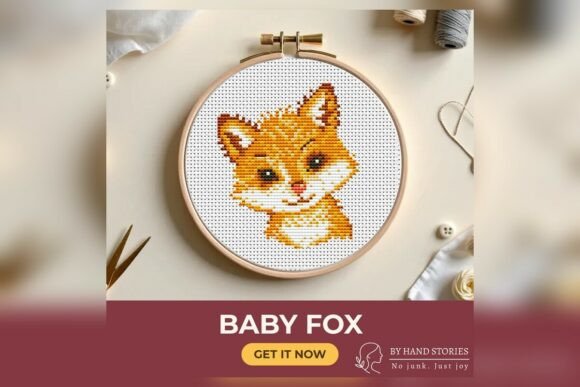
The first thing that strikes you about the Baby Fox Cross Stitch Pattern PDF is its inherent charm. The description highlights a "detailed baby fox portrait," which immediately signals a cute, rustic, and slightly whimsical aesthetic. In the current market, woodland creatures and nursery-themed motifs are perennial bestsellers. This design does not feel overly modern or minimal; instead, it leans into a soft, decorative style that appeals to customers looking for warmth and nostalgia.
For a craft fair booth, this aesthetic is crucial. It fits seamlessly into displays featuring farmhouse decor, baby showers, and nature-inspired home goods. The level of detail suggested by the term "portrait" implies a higher perceived value than simple, blocky icons. Customers often equate complexity with quality, assuming that a detailed image required significant skill to produce. This perception allows you to price your handmade product at a premium compared to simpler designs.
Product Applications and Versatility
The true test of any Graphics asset is its versatility across different substrates. I evaluated where this fox design would stand out most among typical craft fair items like tote bags, aprons, and tea towels.
- Tote Bags and Market Bags: This is perhaps the strongest application. A centered fox portrait on a natural canvas tote creates an instant focal point. The design works well as a large central element, drawing attention from across the aisle. It transforms a basic utility item into a statement piece.
- Tea Towel Embroidery: Kitchen textiles are high-volume sellers. The fox motif adds a touch of personality to plain linen or cotton towels. However, you must consider the fabric texture. On textured waffle-weave towels, fine details might get lost, so this design is best suited for smooth, tight-weave fabrics where the stitches can lie flat and clear.
- Apron Embroidery: Placing the fox on the bib of a cooking apron creates a charming, giftable item. It appeals strongly to the "cottagecore" demographic. Ensure the placement is high enough to be visible when the apron is worn, but low enough to avoid interference with neck straps.
- Embroidered Patches: If you stabilize the fabric correctly, this design can be turned into iron-on or sew-on patches. Patches are excellent impulse buys at craft fairs because they are lower-priced entry points for customers who love your brand but cannot afford a larger item.
Production Practicalities for Small Shop Owners
For an Etsy seller or small shop owner, batch production efficiency is key. While cross stitch is inherently slower than machine embroidery, using a high-quality Baby Fox Cross Stitch Pattern PDF streamlines the process. The inclusion of printable chart files is a significant advantage. It allows for easy reference and reduces the chance of errors during stitching, which is vital when producing multiple units for a weekend market.
However, there are careful-use notes to consider. Because the design features a "detailed" portrait, you must pay close attention to stitch density and thread contrast. If you choose thread colors that are too similar in value, the facial features of the fox may blur together, especially from a distance. Always test your thread colors against your chosen fabric under the lighting conditions of your booth. Natural daylight reveals contrasts that indoor studio lighting might hide.
Additionally, consider the hoop size relative to the product. A design that looks perfect on a 6-inch hoop might feel cramped on a small pouch or overwhelming on a narrow tea towel. Before committing to a large batch, stitch one sample on each type of product you intend to sell. This helps you determine if the scale is appropriate for the item’s surface area.
Visual Appeal and Customer Engagement
In a crowded craft fair, your booth display strength relies on cohesive branding and eye-catching samples. The baby fox design serves as an excellent anchor for your visual merchandising. Its warm tones complement earthy color palettes, allowing you to create a unified look across different products. When customers see the same high-quality design on a pillow cover, a tote, and a patch, it reinforces brand consistency and professionalism.
Photography is another critical factor. This design photographs exceptionally well for online listings. The distinct shape of the fox makes for recognizable thumbnails on platforms like Etsy or Instagram. When creating your printable mockup or digital listings, ensure you capture the texture of the stitches. Close-up shots that highlight the craftsmanship justify the price point and differentiate your small shop product from mass-produced alternatives.
Designer Notes for Best Results
To ensure your finished products meet professional standards, follow these practical steps before listing them for sale:
- Test on Scrap Fabric: Never stitch your first unit on sellable inventory. Use scrap pieces of the exact fabric you plan to use to check for puckering or tension issues.
- Check Stabilizer Requirements: Even for hand cross stitch, using a light stabilizer can help keep the fabric taut and prevent distortion, especially on lighter weight materials like linen.
- Inspect Stitch Density: Review the chart to identify areas with high stitch concentration. These areas may pull the fabric if not handled carefully. Consider using a larger count fabric (like 14-count or 16-count Aida) to reduce bulk.
- Confirm Commercial Licensing: This is non-negotiable. Before selling any finished product made from the Baby Fox Cross Stitch Pattern PDF, verify the license terms provided in the download package. Most designers allow the sale of physical finished items but prohibit the resale of the digital file itself.
- Create Real Mockups: Instead of relying solely on digital overlays, photograph your actual stitched sample on the final product. Authentic images build trust with buyers who want to see the true texture and color.
Final Verdict for Craft Fair Sellers
The Baby Fox Cross Stitch Pattern PDF is a strong contender for any embroidery business looking to expand its woodland or nursery-themed collection. It balances detail with accessibility, making it suitable for both quick-turnaround items like patches and higher-ticket items like framed art or premium tote bags. By paying attention to fabric choice, thread contrast, and proper scaling, you can transform this digital asset into a standout craft fair product. Remember, the goal is not just to stitch a picture, but to create a desirable object that tells a story. This fox design, with its gentle expression and rustic appeal, tells a story of warmth and handmade care that resonates deeply with today’s conscious consumers.